

There has been a growing interest in probiotics and their potential benefits for our overall health and well-being. Probiotics are live microorganisms that, when consumed in adequate amounts, confer health benefits to the host. The gut, often referred to as the "second brain," is home to trillions of bacteria, both good and bad. Probiotics help maintain a healthy balance of these bacteria, promoting digestive health and supporting various physiological functions. In this blog post, we will delve into the world of probiotics, exploring their benefits, signs you may need them, foods that naturally contain them, and the timeline for experiencing their effects.
What are Probiotics and What Do They Do?
Probiotics encompass a wide range of beneficial bacteria and yeasts that reside in our gastrointestinal tract. They work in harmony with our body by inhibiting the growth of harmful bacteria, improving digestion, and promoting overall gut health. These microorganisms primarily belong to the Lactobacillus and Bifidobacterium genera, among others. Probiotics can be found in various forms, such as supplements, fermented foods, and cultured dairy products.
What are the Benefits of Probiotics?
The benefits of probiotics extend beyond just enhancing digestive health. Scientific research has shown that these microorganisms play a significant role in:
- Strengthening the Immune System:
Approximately 70% of our immune system resides in the gut. Probiotics stimulate immune cells, reducing the risk of infections and promoting a balanced immune response.
- Enhancing Digestive Health:
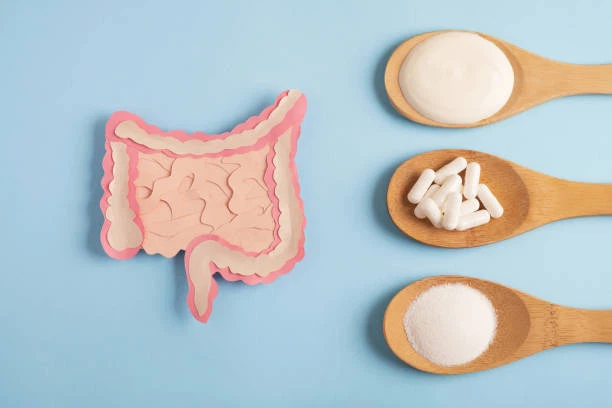
Probiotics aid in the breakdown and absorption of nutrients, alleviate symptoms of digestive disorders like irritable bowel syndrome (IBS) and inflammatory bowel disease (IBD), and promote regular bowel movements.
- Supporting Mental Health:
The gut-brain axis connects the gut and the brain, allowing communication between the two. Probiotics have been shown to positively influence mental health by reducing symptoms of anxiety, depression, and stress.
- Maintaining a Healthy Weight:
Certain probiotic strains can help regulate appetite, reduce cravings for unhealthy foods, and improve fat metabolism, potentially aiding in weight management.
- Promoting Skin Health:
By maintaining a healthy gut barrier, probiotics can improve skin conditions such as acne, eczema, and rosacea, providing relief from inflammation and promoting a healthier complexion.
What are the Signs You Need Probiotics?
Several indications suggest that you might benefit from probiotics:
- Frequent Digestive Issues:
If you frequently experience bloating, gas, constipation, diarrhea, or other gastrointestinal discomforts, it may be a sign that your gut bacteria are imbalanced and could benefit from probiotic supplementation.
- Antibiotic Use:
Antibiotics are known for their ability to kill both harmful and beneficial bacteria. This disturbance in the natural gut flora can lead to digestive issues. Taking probiotics during and after a course of antibiotics can help restore the balance.
- Weakened Immune System:
If you often fall ill due to infections or have a compromised immune system, adding probiotics to your routine may help strengthen your body's defense mechanism.

- Mental Health Concerns:
Research suggests a strong link between gut health and mental health. If you experience symptoms of anxiety, depression, or stress, optimizing your gut flora with probiotics may provide some relief.
Which Foods Naturally Contain Probiotics?
While probiotic supplements are readily available, several foods naturally contain these beneficial microorganisms. Including them in your diet can contribute to a healthier gut:
- Yogurt:
Yogurt, particularly those labeled with "live and active cultures," is a well-known source of probiotics. Look for yogurt made from fermented milk with Lactobacillus and Bifidobacterium strains.
- Kefir:
Kefir is a fermented milk drink similar to yogurt but with a thinner consistency. It contains a diverse range of probiotic bacteria and yeasts, providing additional benefits for gut health.
- Sauerkraut:
Sauerkraut is made by fermenting finely shredded cabbage. It naturally contains Lactobacillus bacteria and can be a tasty addition to salads, sandwiches, or enjoyed as a side dish.
- Kimchi:
A traditional Korean fermented side dish, kimchi is made from cabbage and various seasonings. It offers a rich source of probiotics along with beneficial vitamins and minerals.
- Kombucha:
Kombucha is a fermented tea beverage that has gained popularity for its probiotic content. It is made by fermenting sweetened black or green tea using a symbiotic culture of bacteria and yeast.

How Long Does It Take for Probiotics to Work?
The time it takes for probiotics to work varies depending on several factors, including the individual's gut health, the specific strain of probiotics used, and the desired outcome. Some people may notice improvements in their digestive health within a few days, while others may take weeks or even months to experience significant changes. Consistency in taking probiotics and maintaining a healthy lifestyle, including a balanced diet and regular exercise, can contribute to quicker and more noticeable results.
In conclusion, probiotics offer a multitude of benefits for our overall health and well-being. By nurturing our gut microbiota, these live microorganisms support digestion, strengthen immunity, and positively influence mental health. Signs such as frequent digestive issues, antibiotic use, weakened immune system, and mental health concerns may indicate a need for probiotics. Including probiotic-rich foods in our diet, alongside supplements if necessary, can help restore the balance of beneficial bacteria and improve our health. Remember to consult a healthcare professional for personalized advice, and embark on a probiotic journey to optimize your gut health and enhance your overall quality of life.
HEMING HEALTH is a qualified wholesale probiotic manufacturer. For FREE SAMPLES, please contact our specialists at wmbetty@sxhmjk.com or WhatsApp at 8613227842284.


