



Eye Health Supplements
Nutrition plays a key role in the health of your body, including your eyes. Eye vitamins are supplements typically in the form of pills that add nutrients to the body to replenish what you may be missing. Vitamin deficiencies can cause eye problems, so if you're suffering from macular degeneration, glaucoma, cataracts, or other vision issues, you may think that there's a vitamin that can help. That may be true, depending upon your condition. Nutrition certainly plays a part in your overall health and vitamin deficiencies can cause eye issues to occur. If you're missing key nutrients your doctor may recommend vitamin supplements as a way to shore up your body's health.
Advantages of Eye Health Supplements
They're Important Antioxidants
Lutein and zeaxanthin are powerful antioxidants that defend your body against unstable molecules called free radicals.
Lutein and zeaxanthin protect your body's proteins, fats and DNA from stressors and can even help recycle glutathione, another key antioxidant in your body .
They Support Eye Health
Lutein and zeaxanthin are the only dietary carotenoids that accumulate in the retina, particularly the macula region, which is located at the back of your eye.
Because they're found in concentrated amounts in the macula, they're known as macular pigments.
The macula is essential for vision. Lutein and zeaxanthin work as important antioxidants in this area by protecting your eyes from harmful free radicals. It's thought that a reduction of these antioxidants over time can impair eye health.
May Protect Your Skin
Their antioxidant effects allow them to protect your skin from the sun's damaging ultraviolet (UV) rays.


Why Choose US
Our Factory
Shaanxi Heming Health Technology Co. Ltd., founded in 1996. is located in China Agricultural Science City, Yangling national agricultural high-tech industrial demonstration zone. For 26 years we mainly engaged in the manufacturing and marketing of custom supplements, healthy food, dietary supplement, nutraceuticals in the health and wellness industries, to meet the needs of worldwide customers target band, local taste and regulation.
Our Product
Over 120 sets of large-scale manufacturing facilities. We offer you a wide range of private label high quality capsules, tablets, solid drink powders, softgels, teabags and liquid.
Our Certificate
Shaanxi Heming Health Technology Co., Ltd., is certified by GMP, FDA, HACCP, ISO and HALAL. Our professional R&D team to offer advice and guidance to complete customized formulas and flavors, work in tandem with quality control team to ensure a consistent top production processes from start to finish.
Our Service
Whether you want to make samples, small medium or large quantity of different food supplements items, we will offer you one-stop OEM service from formulation assistant to brand package and shipment to your hands. We ensure you our professional products best quality, prompt shipment, competitive price and good after-sale service.
Although there's no recommended dietary intake for lutein, it's generally considered safe, even in large amounts. The Food and Drug Administration (FDA) classifies it as Generally Recognized as Safe (GRAS).
It's estimated that many people in the United States consume only 1 to 2 milligrams (mg) of lutein each day. But research suggests that you likely need a higher intake of lutein to reduce your risk of developing AMD.
Research performed as part of the large Age-Related Eye Disease Study 2Trusted Source found that a dosage of 10 mg of lutein and 2 mg of zeaxanthin per day was effective at reducing the progression to advanced AMD.
This study involved more than 4,200 participants over a 5-year span. This dosage did not cause negative health effects except for minor skin yellowing.
Additionally, some older research suggests that a daily dose of up to 20 mg of lutein is safe.

Below are some conditions with which lutein and zeaxanthin may help:
Age-related Macular Degeneration (AMD): Consumption of lutein and zeaxanthin may protect against AMD progression to blindness .
Cataracts: Cataracts are cloudy patches at the front of your eye. Eating foods rich in lutein and zeaxanthin may slow their formation .
Diabetic Retinopathy: In animal diabetes studies, supplementing with lutein and zeaxanthin has been shown to reduce oxidative stress markers that damage the eyes.
Retinal Detachment: Rats with retinal detachments who were given lutein injections had 54% less cell death than those injected with corn oil .
Uveitis: This is an inflammatory condition in the middle layer of the eye. Lutein and zeaxanthin may help reduce the inflammatory process involved .
The research to support lutein and zeaxanthin for eye health is promising, but not all studies show benefits. For example, some studies found no link between lutein and zeaxanthin intake and the risk of early onset age-related macular degeneration .
Listed next to them are the recommended dietary allowance (RDA) for each
- Vitamin C: men - 90 mg, women - 70 mg (85 mg during pregnancy and 120 mg when breast-feeding)
- Vitamin E: 15 mg for teens and adults (15 mg for women during pregnancy and 19 mg when breast-feeding).
- Beta-carotene: None
- Zinc: Men - 11 mg; women - 8 mg (11 mg during pregnancy and 12 mg when breast-feeding).
- Zeaxanthin: None
- Selenium: 55 Mcg for teens and adults (60 mcg for women during pregnancy and 70 mcg when breast-feeding).
- Lutein: None
- Calcium: 1000 Mg- men and women : 1200 mg- women over 51 and men over 71
- Thiamin: meMen 1.2 mg, women - 1.1 mg. (1.4 mg if pregnant or nursing)
- Folic Acid: Adult: 400 mcg Dietary Folate Equivalents (600 mcg DFE is pregnant, 500 mcg DFE if breat feeding)
Omega-3 essential fatty acids (including flaxseed oil): None; but for cardiovascular benefits, the American Heart Association recommends approximately 1,000 mg daily.
If you can't find a single product that contains all or most of these nutrients, they are available individually.
Can Lutein Repair Eyes
While lutein esters cannot directly repair eyes, they play a vital role in maintaining overall eye health and supporting the regeneration of visual cells. By protecting the structures of the eye from oxidative damage, lutein esters help preserve visual function. However, it is important to note that once damage to the eye has occurred, lutein esters alone may not be sufficient to reverse the damage. Seeking professional medical advice is essential for proper diagnosis and treatment of any eye condition.
Suggested Dosing
6-20 mg/day
For an eye disease called age-related macular degeneration (AMD):
6-12 Mg of lutein daily, either through diet or supplementation
10-20 Mg of lutein daily for reducing symptoms of AMD
For cataracts: For preventing cataracts
6-12 Mg of lutein daily, either through diet or supplementation
15 Mg of lutein daily three times weekly for reducing symptoms
Dosing Considerations – Should be Given as Follows:
See "Suggested Dosing"
The primary difference between free lutein and lutein esters lies in their molecular structure and bioavailability. Free lutein refers to lutein in its unesterified form, without any fatty acids attached to it. While both forms have similar benefits for eye health, lutein esters tend to have enhanced stability and absorption compared to free lutein. The presence of fatty acids in lutein esters improves their solubility in lipids, allowing for better absorption and utilization by the body.
Recommended Ingredients In Vision Supplements
As research continues on the benefits of vision supplements in reducing the risk of eye problems (and perhaps in improving visual acuity in healthy eyes), it seems wise to supplement your diet with a daily eye supplement that contains many, if not all, of the following ingredients.
Most of these vitamins and nutrients may play a key role in reducing inflammation and oxidative changes associated with the development of degenerative diseases, including chronic and age-related eye problems:
Vitamin A And Beta-carotene. Vitamin A (and its precursor, beta-carotene) is necessary for night vision, wound healing and proper functioning of the immune system. Though supplemental beta-carotene has been associated with greater risk of certain cancers among smokers and previous smokers, obtaining a healthy amount of beta-carotene from natural food sources does not appear to elevate this risk.
Vitamin B Complex (Including Vitamins B1, B2, B3, B5, B6, B12 Folic Acid, Biotin And Choline). B complex vitamins may help reduce chronic inflammation and prevent elevated homocysteine levels in the blood, which have been associated with vascular problems affecting the retina. B vitamins also may play a role in reducing the risk of macular degeneration and in the treatment of uveitis, a common cause of blindness.
Vitamin C. Some studies have found vitamin C, a powerful antioxidant, is associated with reduced risk of cataracts.
Vitamin D. Recent literature suggests vitamin D deficiency is widespread, especially during winter months in cold climates. Research suggests vitamin D is associated with a lower risk of macular degeneration.
Vitamin E. Another component of AREDS and AREDS2 supplements, vitamin E has been associated with reduced risk of cataracts in other studies.
Lutein And Zeaxanthin. These carotenoids and macular pigments may reduce the risk of macular degeneration and cataracts.
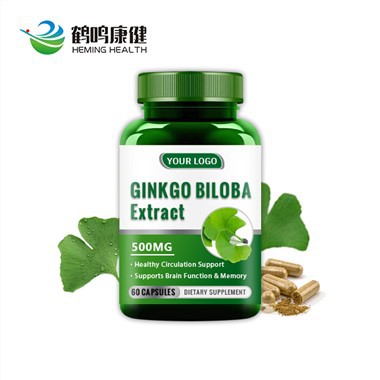
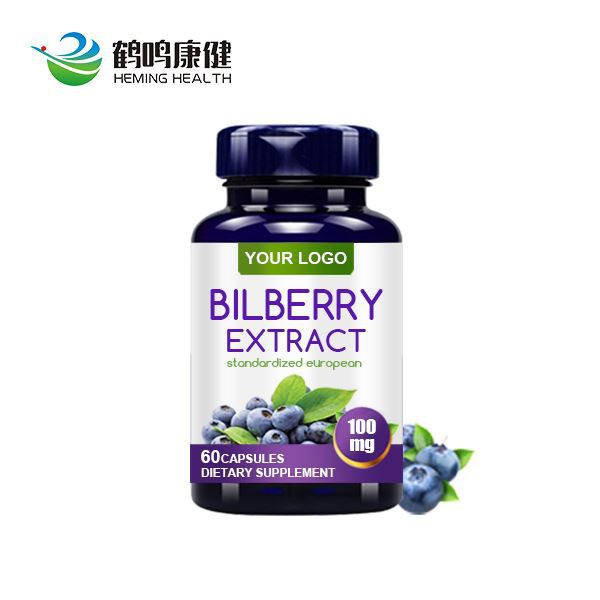
Phytochemical Antioxidants. Phytochemical Antioxidants.hose from ginkgo biloba and bilberry, contain phytochemicals, which appear to provide protection from oxidative stress in the entire body, including the eyes.
Omega-3 Essential Fatty Acids. These essential nutrients may reduce the risk of dry eyes and may have other eye health benefits as well.
Bioflavonoids. Found in many fruits and vegetables, bioflavonoids appear to help the body absorb vitamin C for higher antioxidant efficiency.

How Does Lutein Work
Lutein suggested uses include for prevention of macular degeneration. There is a correlation between a high intake of lutein and a lower incidence of macular degeneration and cataracts.
Lutein is one of two major carotenoids found as a color pigment in the human eye (macula and retina). It is thought to function as a light filter, protecting the eye tissues from sunlight damage.
What are the side effects of taking lutein esters
Lutein esters are generally safe for consumption when taken in appropriate amounts. However, excessive intake of lutein esters through supplements may lead to potential side effects. These side effects are typically mild and transient and may include gastrointestinal discomfort, such as diarrhea or stomach cramps. It is important to follow the recommended dosage guidelines provided by the manufacturer or consult with a healthcare professional before starting any supplementation regimen.
Lutein esters derived from blueberries offer significant benefits for maintaining optimal eye health. As powerful antioxidants, these esterified forms of lutein play a crucial role in protecting the eyes from oxidative stress, supporting visual clarity, and reducing the risk of age-related macular degeneration and cataracts. While lutein esters cannot directly repair eyes, they contribute to overall eye health and the regeneration of visual cells. It is important to note the difference between free lutein and lutein esters, with the latter being more stable and bioavailable. When considering lutein ester supplementation, it is essential to follow recommended dosage guidelines and consult with a healthcare professional if necessary. By incorporating blueberry lutein esters into a well-balanced diet or through supplementation, individuals can take proactive steps in supporting their eye health and maintaining clear vision for years to come.
Tips For Buying Vision Supplements
Generally, you will save money when choosing vision supplements if you purchase a multivitamin, rather than buying each vitamin and nutrient separately. When choosing eye supplements, make sure you read their labels carefully and follow these guidelines:
Check for an expiration date to make sure the supplement you are purchasing is fresh. Make sure the seal on the bottle has not been broken.
Check the serving size. Do you need to take only one tablet, or do you need to take two or more each day to get the percentages of the Daily Value of each ingredient listed?
"Daily Value" or "DV" is a basis for labeling nutrient content that the FDA began to require of food processors and manufacturers in the 1990s. It is not necessarily a recommended intake, since it is based on general measurements of the population at large, and different people require different amounts of nutrients.
Capsules often are absorbed better than hard tablets and may cause less stomach upset.
The best eye supplements contain quality ingredients that have high bioavailability, meaning your body can absorb them easily. For example, the natural form of vitamin E (D-alpha-tocopherol) is roughly twice as active in the human body as the artificial form (DL-alpha-tocopherol).
Avoid eye supplements that contain dairy products, corn or wheat as fillers, especially if you have allergies or other intolerance problems. The most reputable companies typically will formulate their supplements without unnecessary fillers.
To make sure you are getting a reputable brand, choose one of the popular eye supplements listed above or consult your eye doctor. Nutritionists and knowledgeable nutrition store clerks are also good sources of information.
Difference Between Blueberry Lutein Esters Tablets and Regular Blueberry Supplements
While regular blueberry supplements offer various health benefits, Blueberry Lutein Esters Tablets provide specific advantages for eye health, thanks to the inclusion of lutein esters.
Regular blueberry supplements typically contain blueberry extracts or powder, which can have general antioxidant effects on the body. In contrast, Blueberry Lutein Esters Tablets combine the antioxidant properties of blueberries with the targeted support of lutein esters for eye health. The unique combination maximizes the potential benefits for vision and macular function, making them a superior choice for individuals seeking to prioritize eye health.
In conclusion, Blueberry Lutein Esters Tablets represent an innovative approach to enhancing eye health. By combining the antioxidant power of blueberries with the protective properties of lutein esters, these tablets offer numerous benefits, including antioxidant protection, macular function support, cognitive enhancement, and cardiovascular health.
Moreover, Blueberry Lutein Esters Tablets are specifically designed to support eye health, potentially reducing the risk of age-related macular degeneration. While regular blueberry supplements have their own advantages, the specialized formulation of Blueberry Lutein Esters Tablets makes them the ideal choice for those seeking comprehensive eye nourishment. Incorporating these tablets into a balanced diet can help individuals maintain optimal visual function and enjoy the many benefits of healthy eyes.